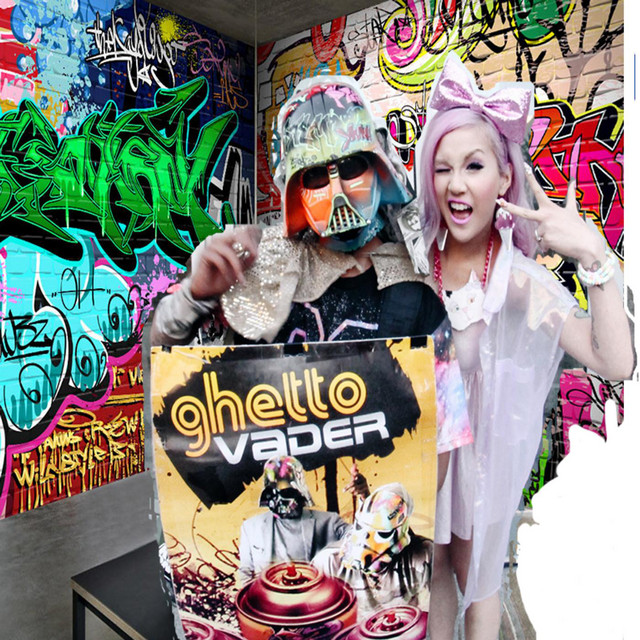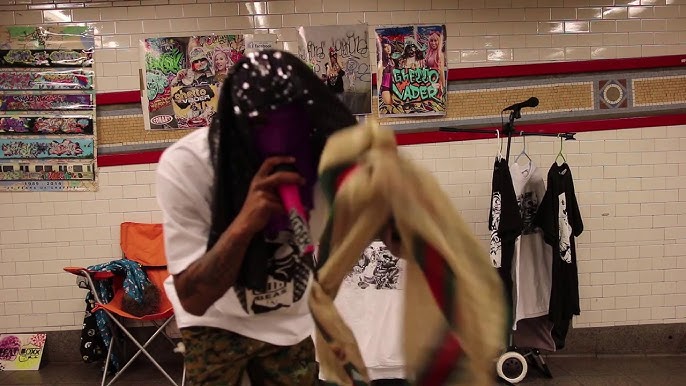
Independent Hip Hop refers to music produced without the influence of major record labels, allowing artists to maintain creative control. This genre emphasizes grassroots efforts and direct connections with local audiences, fostering an authentic artistic expression.

Between 1997 and 2007, Independent Hip Hop thrived as artists created mixtapes and CDs to share their work, long before the rise of digital streaming. This period marked a shift in how music was distributed, relying on live performances and local sales.
Local artists play a crucial role in Independent Hip Hop by representing their communities and telling their stories through music. They often serve as cultural ambassadors, fostering connections within their localities and beyond.
Home Brew Culture in Independent Hip Hop embodies the DIY (Do It Yourself) spirit where artists independently produce, promote, and distribute their music. The culture values authenticity and innovation, celebrating unique sounds and personal narratives.
The 1990s marked a surge in mix tape culture, where artists created compilations of their music to showcase their skills. These tapes played a crucial role in building local fanbases and spreading underground hip hop beyond geographic boundaries.
In the early 2000s, artists began producing CDs as a way to distribute their music independently. These CDs allowed for higher sound quality and the potential for wider sales during live performances, helping to launch numerous careers.
Local artists capitalized on live shows to sell their music directly to fans. This method not only generated income but also fostered a sense of community, as fans connected with artists on a personal level.
Major record labels often overlooked independent hip hop artists, leaving them to self-produce and distribute their work. This led to a thriving underground scene, where artists retained creative control and authenticity in their music.
At the start of 2018, Peak detected that America, the greatest country of hip-hop in the world, was a musical label called 88rising...
GVZ emerged from a rich music scene that thrived in the late 90s, marked by local artist-driven initiatives. His roots in independent music shaped his understanding of the challenges faced by upcoming hip hop artists during this era.
GVZ was a pivotal figure in promoting underground hip hop, often participating in local shows where artists sold their mix tapes. His influence helped to legitimize and elevate the home brew scene prior to the digital takeover.
Throughout his career, GVZ was recognized as one of the 120 featured artists in the book that chronicles the underground movement from 1997 to 2007. His works, often self-produced, gained traction in niche markets, forefronting local culture.
GVZ's influence extends beyond his own music; he inspired countless artists to pursue their craft independently. His legacy lies in empowering local talent, nurturing a vibrant community that continues to thrive today.
Among the 120 featured artists, GVZ stands out for his innovative approach to independent hip hop. Artists like him crafted their identities through unique storytelling and local performances, establishing a rich, authentic sound that resonated within their communities.
GVZ was a pivotal figure in promoting underground hip hop, often participating in local shows where artists sold their mix tapes. His influence helped to legitimize and elevate the home brew scene prior to the digital takeover.
Artists often collaborated on projects and supported each other in performances, creating a sense of community. This network reinforced their musical endeavors and fostered a spirit of solidarity in the independent scene.
Many artists faced significant hurdles, including lack of resources and minimal exposure. Despite these challenges, their determination led to notable successes within the independent scene, often gaining loyal followings and local recognition.
Independent hip hop from 1997 to 2007 gave rise to a vibrant underground scene, where artists like GVZ crafted their unique sound. This legacy continues to inspire new generations, emphasizing authenticity and artistic freedom.
The journey of independent hip hop reveals valuable lessons about artistic perseverance, community support, and the significance of maintaining control over one's work. It shows that success can be achieved outside of commercial avenues.
As digital platforms reshape the music industry, independent hip hop artists have access to broader audiences. This evolution opens new avenues for creativity yet requires adaptability to changing market dynamics.
Supporting local hip hop artists fosters community culture and showcases untapped talent. Engaging with independent music through live events or purchasing their work sustains this vibrant scene and promotes artistic growth.
The image also includes a photograph of a person lifting up a shirt to reveal a tattoo on the stomach that reads "THUG LIFE." The person is wearing a black jacket and jeans with a visible "Karl Kani" label on the waistband. The background shows a building with multiple windows.
To order the book, contact:
Jason Santiago
Phone: 347-310-3442